
Engine
Shipping your own code
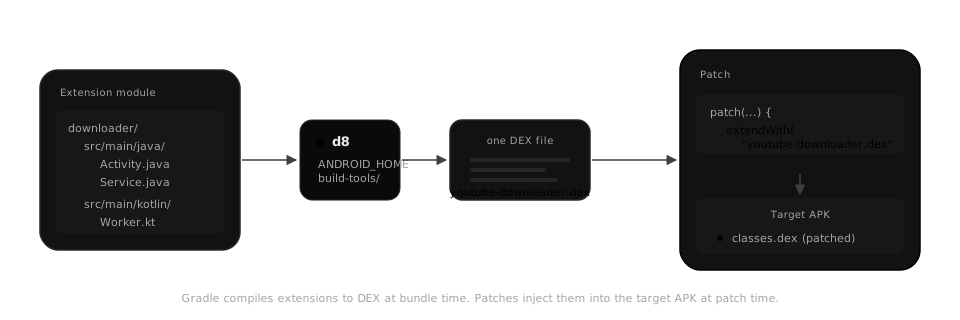
When a patch needs more than a few instructions, write Java and ship it in the bundle. Reseam compiles it against android.jar into a DEX file and links that file into the app the first time a patch refers to one of its classes. These modules are extensions.
apps/example/extensions/ads/
  src/main/java/app/example/ext/AdBlocker.java
  src/stubs/java/com/example/app/FeedItem.java
src/main/java is compiled and dexed. src/stubs/java holds compile-time stand-ins for classes the app already has and is never dexed. A module needs a build script only to compile against another extension: compileOnly(project(":shared:settings-runtime")).
A patch declares the extension classes it calls:
object AdBlocker : ExtClass("app.example.ext.AdBlocker") {
    val init = static("init", Type.Context)
    val onFeedLoad = static("onFeedLoad", Type.List)
}
The first reference to a class an extension defines merges that DEX into the app, plus every extension it refers to. Two extensions defining one class fail the bundle at load. A reference nothing defines is logged once: ... is not defined by the app or any extension in the bundle.
Warning
That warning means a typo in the ExtClass name or a module missing from the bundle (reseam bundle list prints the DEX files); the app crashes with NoClassDefFoundError when the call runs. Stubs are promises too: a stub method the real class lacks throws NoSuchMethodError in the app.
Toggle gates call app.reseam.runtime.settings.ReseamSettings from the settings-runtime shared extension; the engine links it when the first gate is emitted.
Next: Raw bytecode.